Key Takeaways
- Broadcom's End-User Computing (EUC) Division, home to Workspace ONE and Horizon, is being sold to become a standalone entity under investment firm KKR.
- The transition was expected to close later in 2024, following Broadcom's November 2023 acquisition of VMware.
- Broadcom has also shifted VMware from perpetual to subscription-based licensing and discontinued Support and Subscription renewals for perpetual offerings.
- Broadcom cut 2,800 VMware employees as part of its post-acquisition restructuring.
- Customers should monitor service continuity, product roadmap changes, pricing and contract terms, and security/compliance standards as the EUC Division separates.
Broadcom Agrees to Sell EUC to KKR
Today, Broadcom announced its next move: Broadcom's End-User Computing (EUC) Division is set to become a standalone entity under the stewardship of global investment firm KKR. This transition, expected to close later this year, marks a pivotal moment for customers and partners who have long relied on the EUC Division's innovative digital workspace solutions, including the renowned Workspace ONE and Horizon platforms.
The Implications for Customers
Broadcom's acquisition of VMware in November 2023 was a landmark event, and the subsequent decision to divest the EUC Division has raised questions about the future direction of these critical services. The EUC Division, known for its comprehensive digital workspace platform, has been a cornerstone for organizations aiming to securely manage and deliver applications across diverse devices and platforms. The move to become a standalone company under KKR's umbrella promises a renewed focus on innovation and customer-centric solutions, but it also introduces a period of uncertainty that warrants a cautious outlook.
Broadcom's acquisition of VMware has ushered in a transformative era, marked by the shift from perpetual to subscription-based licensing, a move that redefines customer engagement with VMware's suite of products. This strategic pivot, highlighted by the discontinuation of Support and Subscription renewals for perpetual offerings, signals a broader industry trend towards subscription models, favored for their continuous updates and scalability. However, this transition is not without its challenges, including potential financial implications and the need for customers to adapt to new licensing frameworks. Broadcom's strategy also involves a significant workforce reduction, with 2,800 VMware employees laid off, underscoring a profound change in operational direction.
Understanding the EUC Division
The EUC Division's offerings are more than just IT solutions; they are the backbone of modern, digital workspaces that empower employees to perform optimally across various environments. The division's flagship products, Workspace ONE and Horizon, have set industry standards for unified endpoint management and virtual desktop infrastructure, respectively. These tools are integral for organizations navigating the complexities of digital transformation, especially in a world where remote work and digital collaboration have become ubiquitous.
Potential Concerns
The transition to a standalone company could bring about several changes in the operational dynamics and strategic priorities of the EUC Division. Customers and partners might be concerned about potential shifts in product roadmaps, support structures, and pricing models. The promise of "business as usual" is reassuring, yet stakeholders should remain vigilant, seeking clarity on how the transition will affect their existing agreements and long-term plans.
The involvement of KKR, a firm with a robust track record in nurturing technology enterprises, is a positive indicator. However, the sale of a division to an investment firm often leads to apprehensions about cost-cutting measures, restructuring, or shifts in business strategy that prioritize short-term gains over long-term value. It is crucial for customers and partners to stay informed and engaged with the EUC Division's leadership throughout this transition to understand how these changes might impact their operations and strategic objectives.
Customer Considerations
Amidst KKR's involvement and the potential implications of a division sale, it's imperative for stakeholders to proactively engage with the EUC Division's leadership. Here's a comprehensive guide to navigating the transition:
- Service Continuity: While assurances have been made regarding the seamless nature of this transition, customers should closely monitor for any disruptions or changes in service quality, support, and product development timelines.
- Product Roadmap: With the promise of accelerated innovation, it's crucial to stay informed about the evolving product roadmap. Any shifts in strategic priorities could affect the relevance and effectiveness of deployed solutions.
- Investment in Customer Success: The commitment to enhancing investments in the business and its ecosystem is reassuring. Yet, customers should seek clarity on how these investments will translate into tangible benefits for them, particularly in terms of customer support, customization capabilities, and integration with existing IT infrastructures.
- Pricing and Contracts: Changes in corporate structure could lead to adjustments in pricing strategies or contract terms. Maintaining an open line of communication with the EUC Division will be key to navigating any potential changes that could impact budgeting and financial planning.
- Security and Compliance: As the division gains autonomy, it will be crucial to maintain or even enhance the stringent security and compliance standards, especially for customers in highly regulated industries.
- Communication from Leadership: Pay close attention to updates from the division's leadership regarding strategic directions, product innovations, and customer support enhancements.
- Community Feedback: The broader EUC community, including existing customers and partners, can be a valuable resource for insights into how the transition is taking shape on the ground.
- Market Positioning: Observe how the standalone EUC Division positions itself in the competitive landscape, which could influence its strategic priorities and, by extension, its product and service offerings.
A Fragmented Future or a Focused Path Forward?
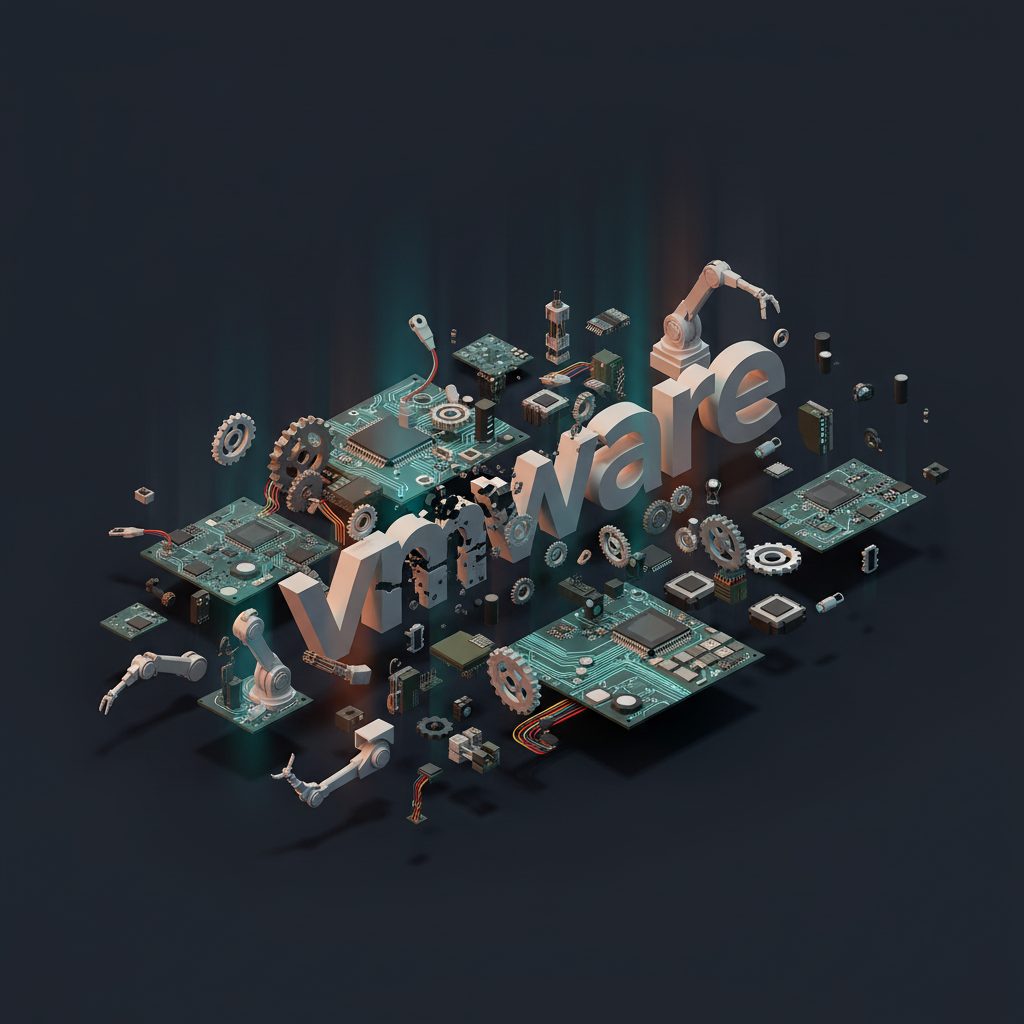
The decision to sell off the EUC Division has sparked debates on whether Broadcom is "selling VMware for parts." While this move might seem like a fragmentation of VMware's cohesive ecosystem, it could also be viewed as a strategic realignment, allowing the EUC Division to thrive with a dedicated focus under KKR's guidance. The key for customers and partners is to navigate this transition with a balanced perspective, recognizing both the opportunities for enhanced innovation and the challenges of adapting to a new operational paradigm.
Conclusion
While the excitement around the EUC Division's new chapter under KKR is palpable, a cautious approach is advisable. Stakeholders should closely monitor the transition and prepare for adjustments in their digital workspace strategies.