
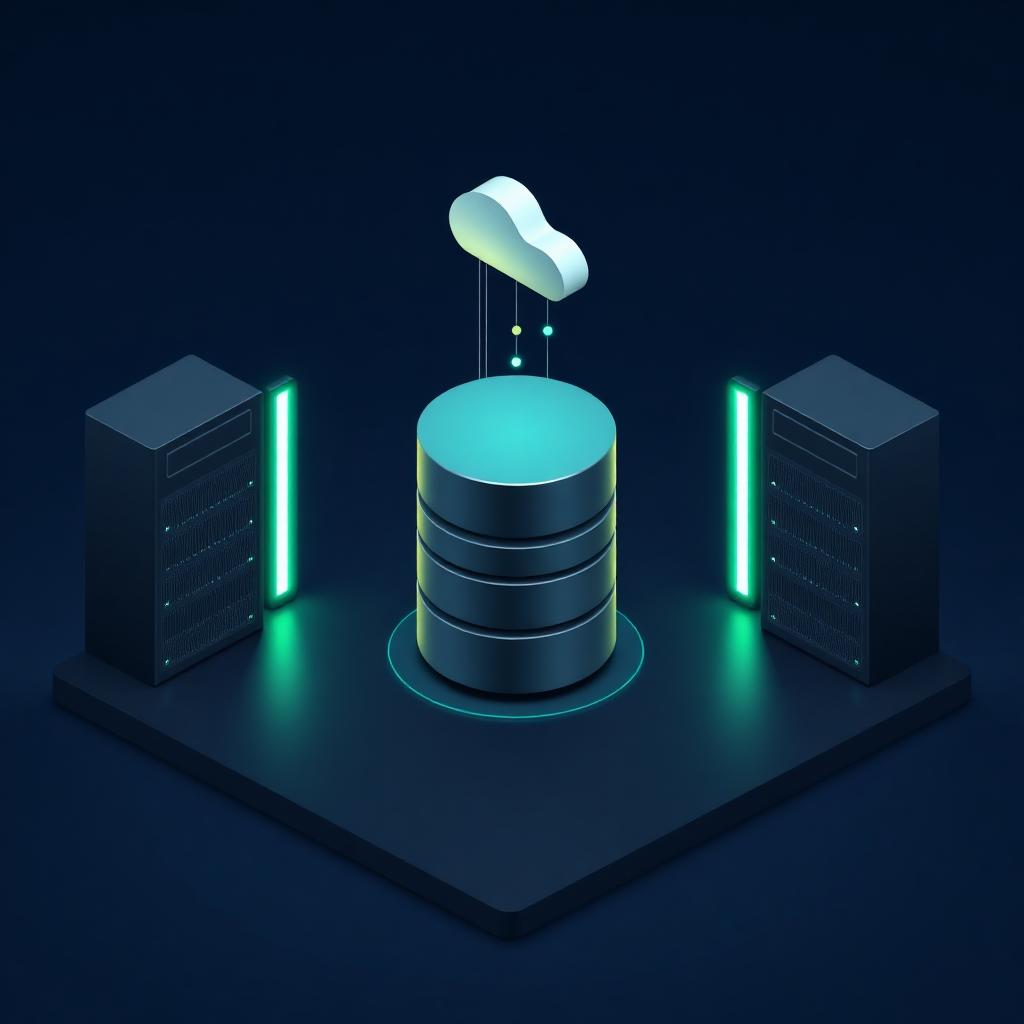
Oracle Base Database Cloud@Customer is an Oracle-managed database service that runs on infrastructure physically located in a customer's data center. It gives organizations access to Oracle AI Database and related AI capabilities while keeping their data on-site. Customers can choose license-included pricing or apply eligible existing Oracle Database licenses through bring your own license (BYOL).
The model can provide greater flexibility, particularly for organizations with data-residency, latency, security or sovereignty requirements. However, it does not eliminate Oracle licensing obligations, support requirements, consumption costs or all customer-side infrastructure expenses.
The short answer
For Oracle customers, Base Database Cloud@Customer is not only a technology decision. It is also a software asset management, FinOps, support and long-term cost decision. Before adopting it, customers should compare BYOL with license-included pricing, validate the database tier they need, forecast ECPU consumption, account for remaining data-center costs and review Oracle support requirements.
Oracle Base Database Cloud@Customer gives organizations a way to run Oracle AI Database and AI workloads on Oracle-managed infrastructure located inside their own data center. For organizations with strict data-residency, latency, security or sovereignty requirements, that can be an appealing combination: cloud-style operations and consumption pricing without moving sensitive data outside the customer environment.
It also offers more flexibility than a traditional on-premises deployment. Customers can choose a license-included subscription or bring existing Oracle Database licenses through a BYOL model. That does not necessarily mean giving up the perpetual licenses they already own. It does, however, mean those licenses, the new subscription charges and the underlying infrastructure all need to be evaluated together.
That is where the apparent simplicity of Cloud@Customer can become more complicated.
The hardware may sit in the customer's data center, but Oracle owns and manages the infrastructure. Database compute is billed according to consumption. Existing perpetual licenses may be applied through BYOL. AI services and agents can operate close to the database. And while the model can reduce some operational burdens, it does not eliminate every hardware, facilities or data-center cost borne by the customer.
For Oracle customers, Base Database Cloud@Customer is therefore more than an architecture decision. It is also a software asset management, FinOps, support and long-term cost decision.
What are the benefits of Oracle Base Database Cloud@Customer?
The use case for Cloud@Customer is legitimate. Some organizations cannot—or do not want to—continually move sensitive or business-critical data into a public-cloud environment. Others need database and AI services close to applications located in their own facilities.
Base Database Cloud@Customer allows those organizations to use Oracle-managed database infrastructure on-site while adopting a more flexible, consumption-based model. Customers can scale capacity as requirements change, select among multiple database service tiers and decide whether license-included pricing or BYOL better fits their existing Oracle position.
But flexibility does not automatically equal simplicity. Each choice changes the customer's cost, contractual and compliance profile.
How does BYOL work with Oracle Base Database Cloud@Customer?
Under the BYOL model, customers can apply eligible existing Oracle Database licenses to Base Database Cloud@Customer. Oracle's Universal Credits terms make clear, however, that customers remain responsible for complying with the restrictions and license metrics governing those on-premises licenses.
In other words, moving a workload onto Oracle-managed infrastructure does not make the customer's existing licensing obligations disappear.
Before applying licenses to the environment, organizations should be able to answer several questions:
- Which licenses and options will be allocated to Cloud@Customer?
- Are those licenses eligible and sufficient for the planned configuration?
- Are the associated support obligations current?
- What happens to the licenses that previously supported the workload?
- Will those licenses remain deployed elsewhere, be reassigned or become surplus?
- Does BYOL provide a better long-term economic outcome than license-included pricing?
BYOL can allow an organization to preserve value from its perpetual license investment. But without a clear allocation record, the same licenses can appear to support multiple environments—or an organization can continue paying support on licenses it no longer needs.
How is Oracle Base Database Cloud@Customer priced?
Base Database Cloud@Customer moves more of the Oracle environment toward a subscription and consumption-based model. Oracle bills database compute using ECPU consumption, while application virtual machines use OCPU consumption.
That gives customers greater flexibility to adjust capacity, but it also requires active cost governance. For example, Oracle states that stopping a VM cluster does not, by itself, stop database compute billing. ECPUs must be scaled to zero to stop those charges.
The financial question is no longer limited to how many processors are installed. Customers must continuously understand:
- what they own;
- what they have allocated through BYOL;
- what the cloud service is consuming;
- how that consumption is changing; and
- which customer-retained infrastructure and operating costs remain.
Although Oracle manages the Cloud@Customer hardware, hosting equipment in the customer's location can still involve facilities, power, cooling, networking, physical security and internal operational costs. Those costs should be included when comparing Cloud@Customer with a conventional on-premises deployment or a public-cloud alternative.
A credible business case should therefore model the full cost of the environment—not just the Oracle service rate.
How can AI increase Oracle Database consumption?
One of the most important strategic implications is not necessarily a separate AI license. It is the additional database consumption that AI can create.
Oracle is positioning its database, vector capabilities, retrieval-augmented generation pipelines, private AI services and AI agents to operate together close to enterprise data. That can simplify the architecture for organizations building private AI applications. It can also create a powerful consumption cycle:
More AI use cases lead to more database workloads, which lead to more ECPU consumption and potentially more Oracle spend.
This fits Oracle's broader AI strategy. AI does not have to be sold as a standalone product to generate significant revenue. If Oracle makes its database the center of enterprise AI workloads, greater AI adoption can drive increased use of the underlying Oracle environment.
That does not make the architecture inherently unfavorable. It does mean customers should forecast AI-driven growth before selecting a service tier or approving an expected budget. A small proof of concept and a production-scale AI workload can have very different consumption profiles.
FinOps and software asset management teams should be involved early enough to establish a baseline, identify cost drivers and monitor whether actual usage continues to match the original business case.
Which Oracle Database service tier does a customer need?
Oracle offers multiple Base Database service tiers, including Standard Edition, Enterprise Edition, Enterprise Edition High Performance and Enterprise Edition Extreme Performance. The capabilities included in those tiers differ substantially, particularly with respect to database options and management packs.
The right question is not simply, "Can Cloud@Customer run this workload?"
It is: Which Oracle features does the workload actually require, and what is the least expensive service tier that legitimately supports them?
Architecture teams may naturally prefer the tier with the broadest capabilities. Procurement and licensing teams need to determine whether those capabilities are required, whether they are already entitled under a BYOL approach, and whether the additional subscription cost is justified.
If that analysis happens after the architecture is selected, the organization may find itself committed to a richer and more expensive Oracle stack than the workload requires.
What Oracle support is required for Cloud@Customer?
Customers considering Base Database Cloud@Customer as part of an Oracle application strategy should also examine the support requirements carefully.
Oracle states that customers using BYOL must maintain valid Oracle support for the database licenses used with the service. Its documentation also says that Oracle Applications Unlimited products—including E-Business Suite, PeopleSoft, JD Edwards, Siebel and Hyperion—running on Base Database Cloud@Customer require active Oracle support, and that third-party support does not satisfy that requirement.
That provision could materially affect the economics for an organization that has moved, or is considering moving, parts of its Oracle estate to third-party support. A technical decision to place an application on Cloud@Customer may therefore create a support obligation that needs to be understood before the architecture is approved.
This is precisely why licensing and contractual review should take place before migration—not after the environment is running.
Why does Cloud@Customer require both SAM and FinOps oversight?
Base Database Cloud@Customer illustrates a broader shift across the Oracle estate. The boundaries between on-premises licensing, cloud subscriptions, infrastructure, support and AI consumption are becoming increasingly difficult to manage separately.
The infrastructure is physically located at the customer site, but managed by Oracle. The commercial model is consumption-based, but customers may still use perpetual licenses through BYOL. AI services can run beside the database, potentially increasing the consumption of the underlying environment. Meanwhile, the customer may retain meaningful facilities and operational costs.
Treating each of those issues as a separate workstream creates blind spots. A sound governance model should connect:
- contractual entitlements;
- BYOL allocations;
- Oracle support obligations;
- selected database editions and options;
- actual cloud consumption;
- AI-driven workload growth; and
- the customer's remaining infrastructure costs.
What should customers evaluate before choosing Cloud@Customer?
Before adopting or expanding Base Database Cloud@Customer, organizations should:
- Inventory the perpetual Oracle licenses and support rights that may be used for BYOL.
- Compare BYOL and license-included pricing over the expected life of the workload.
- Validate the minimum database service tier and features the workload truly requires.
- Model ECPU and OCPU consumption under both current and projected AI demand.
- Include customer-retained hardware, facilities and operational costs in the analysis.
- Review the Oracle support requirements for any Oracle applications involved.
- Establish ongoing controls that connect entitlement, allocation, configuration and consumption data.
How can LicenseFortress help with Oracle Cloud@Customer licensing?
Oracle Base Database Cloud@Customer can solve real data-residency and operational challenges. Its flexibility—particularly the choice between license-included and BYOL models—may give some customers a better path than either a conventional on-premises environment or a full move to the public cloud.
But bringing cloud infrastructure into the data center does not automatically simplify the Oracle estate. It changes where costs appear, how licenses are applied and which teams need to participate in the decision.
LicenseFortress helps customers independently assess the licensing and commercial implications before the architecture becomes difficult to change. By connecting Oracle entitlements, BYOL decisions, support obligations and actual consumption, organizations can take advantage of Cloud@Customer's flexibility without losing control of their Oracle position or allowing AI-driven growth to become an unexpected cost multiplier.
If your organization is evaluating Base Database Cloud@Customer or facing an Oracle review, schedule a consultation with our Oracle licensing team.