A Long-awaited Development
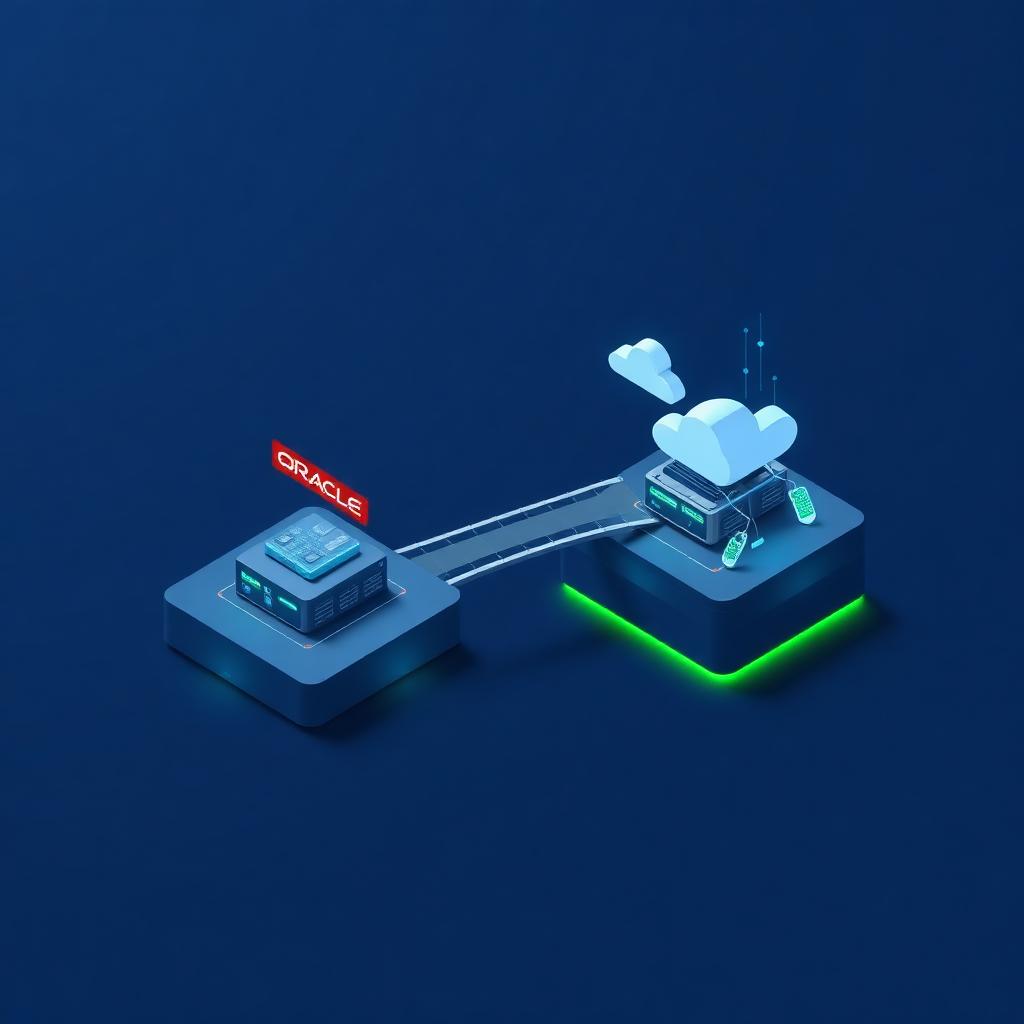
Finally, there is an approval of licensing sub-clusters for Oracle in VMware Cloud on AWS. While this capability has actually been available since February, the technical details were not initially available.
Enforcement of Sub-Cluster Licensing
Traditionally, in the on-premise world, enforcing sub-cluster licensing involved leveraging DRS (Distributed Resource Scheduler) affinity and anti-affinity rules. However, in VMware Cloud on AWS, you can achieve the same enforcement through the use of tags. In a recent session with VMware and Amazon, we learned that tags are sufficient to ensure license compliance. In the coming weeks, we will provide further information on how to implement this approach, along with enhancements to LicenseFortress Discovery, which will allow for the monitoring of tags in the same way it currently monitors DRS rules. Meanwhile, Sudhir Balasubramanian, Oracle Staff Solution Architect at VMware, has written a detailed blog post on this topic.
New Possibilities for Licensing
This advancement now enables licensing as few as 8 cores for Oracle workloads in VMware Cloud on AWS. It's important to note that this pertains to a single host within an 8-core custom CPU count cluster. This possibility applies only when running a single virtual machine (VM) with Oracle workloads in the VMware Cloud on the AWS environment. For scenarios involving multiple VMs, customers would need to license the additional maintenance host, resulting in a minimum requirement of 16 cores, even if they regularly utilize only 8 cores.
Comprehensive Support and Solutions
This development opens up new options for customers seeking to run Oracle in the VMware Cloud on an AWS environment. As always, we provide protection for these scenarios with ArxProtect, which includes a financial guarantee for qualifying Oracle licensing advice, subject to the applicable agreement. If you would like to discuss your specific needs and explore how we can help you maximize the value of your Oracle software licenses, please reach out to us at info@licensefortress.com.
Coverage note: Available through ArxProtect® only. Oracle Java is excluded. LicenseFortress provides legal representation but does not cover outside legal fees. Protection requires that the customer followed LicenseFortress’s advice and is subject to the applicable agreement.
We are excited about the opportunities that licensing sub-clusters for Oracle in VMware Cloud on AWS brings. We are committed to providing comprehensive support and solutions to help organizations navigate and optimize their Oracle software licensing in this environment.