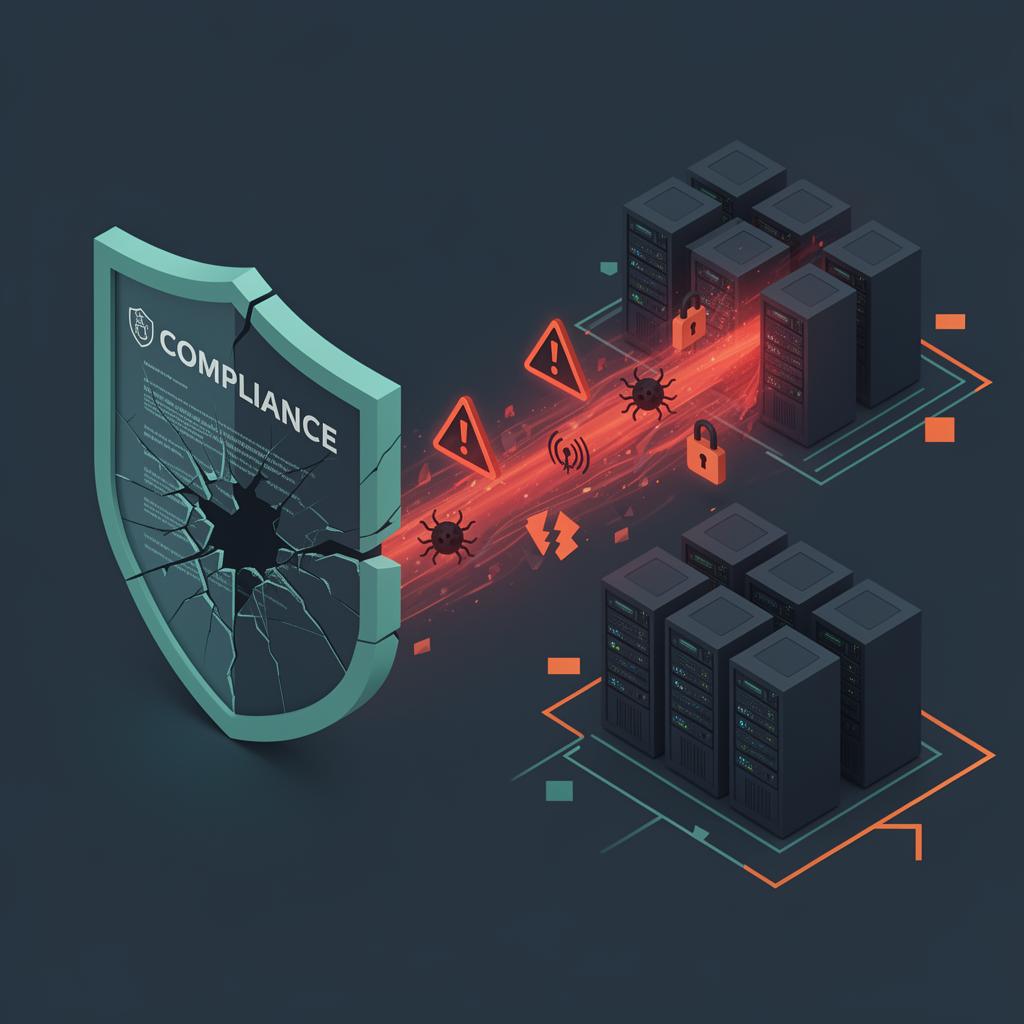
When organizations think about software compliance, the immediate concern is often vendor audits and financial penalties. While these are real and costly risks, compliance failures also open the door to cybersecurity threats, operational disruptions, and reputational damage that represent serious security risks to an organization.
As software vendors tighten compliance enforcement and regulatory bodies impose stricter guidelines, businesses that fail to prioritize software compliance risk much more than just an unexpected bill—they risk exposing sensitive company data, violating industry regulations, and facing severe financial losses.
1. Security Gaps Leave the Door Open for Cyber Threats
Software compliance isn't just about keeping vendors happy—it's also critical for cybersecurity and risk management. Organizations that lack a structured software asset management (SAM) strategy can face:
- Outdated software that no longer receives security patches
- Unauthorized installations that increase attack surfaces
- Misconfigured software that creates vulnerabilities
Case in Point: The SaaS Provider's Hidden Risk
A SaaS provider was unknowingly running outdated Oracle software, exposing critical business data to potential breaches. An Oracle audit revealed that their lack of proper licensing documentation meant they had no way to confirm security patches had been applied.
Had an attacker exploited these vulnerabilities, it could have led to customer data breaches, loss of trust, and regulatory fines.
Solution: By optimizing compliance with LicenseFortress, they were able to verify all Oracle installations, update their security patches, and reduce their risk exposure.
2. Poor Compliance Leads to Unnecessary Financial Losses
Software vendors actively monitor compliance violations and capitalize on license mismanagement. Non-compliance can lead to:
- Unbudgeted back fees and penalties
- Forced software purchases at inflated costs
- Business disruptions due to legal disputes
Case in Point: A $3 Million Problem Avoided
During their Oracle audit, the SaaS provider faced a potential $3 million penalty due to incorrect licensing practices. The initial vendor recommendation? Pay up or buy additional Oracle licenses—whether they needed them or not.
Solution: With LicenseFortress providing real-time compliance tracking and contract negotiation support, they challenged the audit findings, optimized their licensing, and cut unnecessary costs.
The result? Over $3 million in savings, without compromising on software security or functionality.
3. Regulatory and Legal Consequences of Compliance Failures
Many industries, especially healthcare, finance, and government, require strict adherence to software regulations. Non-compliance can result in:
- Fines for failing to meet regulatory requirements
- Lawsuits from data breaches linked to software vulnerabilities
- Restrictions on conducting business in certain regions
Example: GDPR & HIPAA Risks
Regulatory frameworks like GDPR (General Data Protection Regulation) and HIPAA (Health Insurance Portability and Accountability Act) require companies to maintain secure and compliant software environments. Failure to do so can lead to multi-million-dollar fines and reputational damage.
Solution: A strong software asset management (SAM) strategy ensures companies remain compliant with global and industry-specific regulations, protecting them from unexpected legal consequences.
4. Compliance Strengthens Business Resilience and Trust
Compliance isn't just about avoiding penalties—it's about building trust with customers, partners, and investors. A company with a secure and compliant software infrastructure benefits from:
- Stronger cybersecurity defenses
- Reduced operational disruptions
- Increased trust from clients and regulators
How LicenseFortress Helps
Many organizations mistakenly believe software compliance is a one-time effort, but new audits, vendor policies, and software changes can create continuous risk.
LicenseFortress provides:
- Real-time compliance monitoring to detect risks before they escalate
- Contract expertise to help companies negotiate fair terms with vendors
- Legal-backed defense to challenge unfair audit claims