
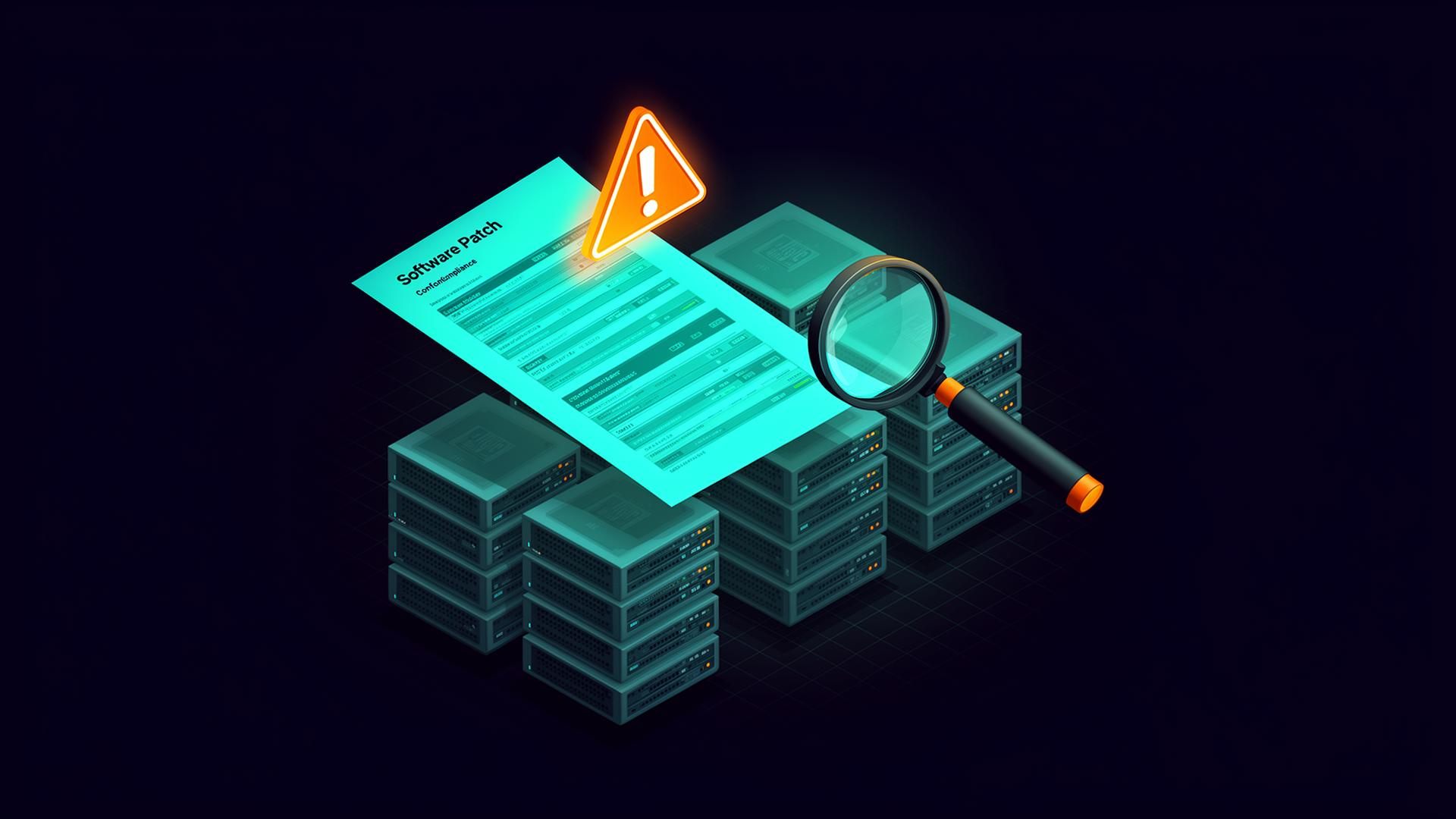
Oracle's quarterly Critical Patch Updates (CPUs) are essential for maintaining database security. Released on a predictable schedule each January, April, July, and October, CPUs deliver cumulative security fixes across Oracle product families.
The October 2025 Critical Patch Update included hundreds of security fixes across Oracle technologies, including Oracle Database Server. While most organizations focus on the security benefits of these patches, fewer realize that CPUs can also introduce configuration changes that impact license compliance and SAM tooling accuracy.
One such change in the October 2025 CPU introduced a new Oracle Database Vault realm, which created unexpected compliance challenges for many customers.
---
When Security Changes Affect Compliance
Oracle Database Vault is designed to strengthen separation-of-duties controls and protect sensitive database objects.
New default realms are occasionally introduced as Oracle enhances its security model. For example, Oracle has previously introduced mandatory default realms to protect audit-related objects and schemas.
The October 2025 CPU introduced a new Database Vault realm as part of these ongoing security enhancements. While the change improved protection of sensitive database components, it also altered the metadata visible inside the database.
For many organizations, this change appeared harmless. However, in environments monitored by Software Asset Management (SAM) tools, the new realm triggered unexpected feature detections.
---
False Positives After the October 2025 CPU
Many automated SAM tools rely on database metadata queries to determine which Oracle options and features are in use.
After the October 2025 CPU:
- A new Database Vault realm appeared in system metadata
- Feature-detection queries began returning new results
- Database Vault usage was incorrectly inferred
- Reports began flagging potential Database Vault license requirements
In many cases, no Database Vault functionality was actually being used. The database was simply patched and running securely as recommended by Oracle.
This resulted in false-positive license findings that created unnecessary concern for IT and procurement teams.
---
Example Detection Changes
Below is an example of how Database Vault detection queries behaved before and after the October 2025 CPU.
Before the October 2025 CPU
SQL> SELECT name FROM DVSYS.DBA_DV_REALM WHERE enabled = 'Y' order by 1;

NAME
--------------------------------------------------------------------------------
Database Vault Account Management
Oracle Database Vault
Oracle Default Component Protection Realm
Oracle Default Schema Protection Realm
Oracle Enterprise Manager
Oracle System Privilege and Role Management Realm

6 rows selected.
After the October 2025 CPU
SQL> SELECT name FROM DVSYS.DBA_DV_REALM WHERE enabled = 'Y' order by 1;

NAME
--------------------------------------------------------------------------------
Database Vault Account Management
Oracle Database Vault
Oracle Default Component Protection Realm
Oracle Default Schema Protection Realm
Oracle Enterprise Manager
Oracle Label Security
Oracle System Privilege and Role Management Realm

7 rows selected.
In this scenario, the CPU introduced metadata that caused detection logic to interpret the environment as having Database Vault enabled, even when the feature was not actively configured.
---
Why Patch-Driven Changes Are Hard to Manage
Most organizations focus on patching as a security and operational activity, not a licensing event. However, Oracle patches can:
- Introduce new components
- Change default configurations
- Modify metadata structures
- Add security objects
- Affect feature-detection queries
These changes can create licensing uncertainty overnight, even in stable environments.
SAM tools often lag behind these changes because detection logic is based on known configurations. When Oracle modifies internal structures, the tools may misinterpret the results.
The result is a common pattern:
- Organization applies a recommended CPU
- SAM tool flags new feature usage
- Compliance risk is reported
- Technical teams must investigate
- The finding turns out to be a false positive
---
The Advantage of Continuous SAM Oversight
Organizations that treat Software Asset Management as a periodic exercise often discover these issues months later — sometimes during a compliance review.
A continuous SAM approach identifies patch-driven changes quickly and evaluates whether they represent:
- A legitimate licensing change
- A configuration issue
- Or simply a detection artifact
Following the October 2025 CPU, customers with proactive SAM oversight were able to:
- Identify the new Database Vault realm quickly
- Confirm that Database Vault was not in use
- Adjust detection logic
- Normalize reporting
- Maintain confidence in their compliance position
In these environments, remediation was completed within weeks rather than months.
---
Security Patching Should Not Create Licensing Risk
Applying Oracle CPUs is a security best practice and strongly recommended by Oracle.
Organizations should not have to choose between:
- Staying secure
- And staying compliant
However, Oracle's quarterly patch cycle means that compliance-sensitive changes can occur multiple times per year.
Without active monitoring and interpretation, organizations risk:
- False compliance gaps
- Incorrect license purchases
- Audit exposure
- Unnecessary internal investigations
---
Key Takeaways
The October 2025 Critical Patch Update highlights an important lesson: security patches can have licensing consequences.
Organizations should:
- Validate SAM reports after each CPU
- Review new database objects and realms
- Confirm feature detections
- Maintain current detection logic
Most importantly, organizations should ensure they have the expertise and processes necessary to interpret patch-driven changes correctly.
With the right oversight, CPUs can be applied confidently — without creating compliance surprises.
---
Schedule a consultation to discuss how your organization can stay ahead of patch-driven compliance changes, or learn more about our SAM Managed Services for continuous oversight.