

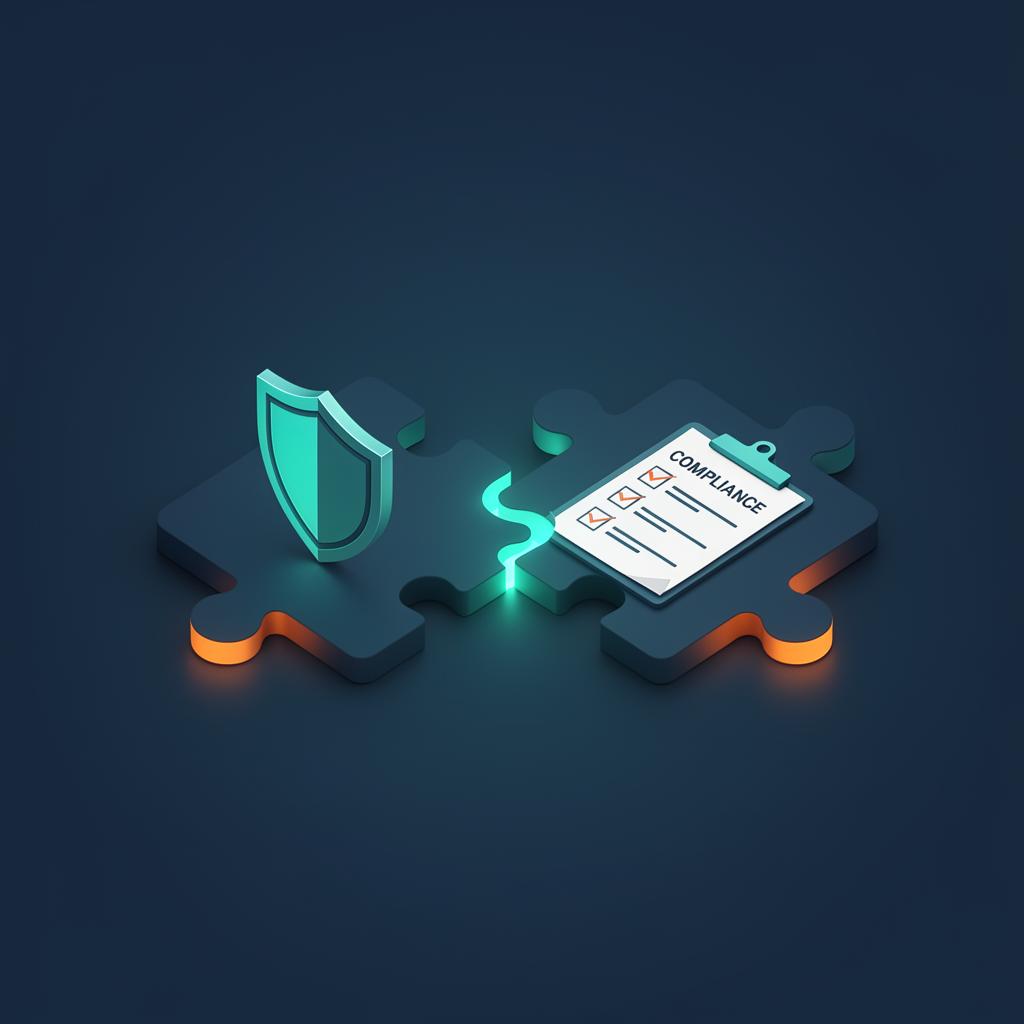
Compliance Isn't Just a Legal Checkbox
Security professionals are tasked with protecting critical systems from cyber threats, while compliance teams focus on ensuring an organization meets licensing, regulatory, and contractual obligations. However, many organizations treat security and compliance as separate functions, creating blind spots that increase both security risks and financial exposure.
The reality? Software compliance gaps often become security vulnerabilities. Mismanaged licenses, untracked deployments, and outdated software don't just put organizations at risk for vendor audits—they create exploitable attack surfaces for cybercriminals.
The Security Risks of Poor Software Licensing Compliance
1. Unlicensed and Outdated Software Introduces Vulnerabilities
Software vendors regularly release patches to fix security flaws, but organizations running non-compliant or unlicensed software often fall behind on updates. This creates:
- Unpatched security vulnerabilities that hackers exploit.
- Unsupported software that lacks critical fixes.
- Compliance violations that expose the organization to vendor penalties.
Solution: Security and compliance teams must collaborate to track and manage software licenses, ensuring all software is up-to-date and aligned with vendor agreements.
2. Shadow IT Bypasses Security Controls
Shadow IT—software or cloud services used without IT or compliance approval—is a growing problem. Security teams often focus on network protection, while compliance teams oversee approved software usage, creating a gap where unauthorized tools go unnoticed.
Hidden risks of Shadow IT:
- Unknown security vulnerabilities
- Lack of vendor oversight for patches & updates
- Increased audit risk from non-compliant usage
Solution: Security professionals should integrate Software Asset Management (SAM) tools to monitor all software installations—including unsanctioned tools—before they become a liability.
3. Audits Can Lead to Unintended Security Exposure
Vendor audits require organizations to provide detailed software deployment data, sometimes exposing sensitive security configurations to third parties. Without a coordinated strategy, compliance teams may overshare data, increasing risks such as:
- Exposing system architecture to external vendors
- Granting unnecessary access to software environments
- Being pressured into licensing changes that don't align with security policies
Real-World Example: A leading SaaS provider faced this exact scenario when an Oracle audit revealed hidden compliance violations. Their outdated and misconfigured software not only resulted in a potential $3M penalty but also introduced security vulnerabilities that could have been exploited. LicenseFortress helped them remediate risks, regain compliance, and avoid financial losses.
How Security & Compliance Teams Can Work Together
1. Establish a Centralized Software Inventory
Security and compliance teams should maintain a single source of truth for software assets. This ensures:
- Full visibility into what's installed across environments
- Real-time tracking of licensing, patches, and vulnerabilities
- Audit readiness without compromising security
2. Automate Compliance Checks
Security teams use automated tools to detect threats—compliance should be part of that process. Regular compliance scans should be:
- Embedded in vulnerability management systems
- Aligned with patching and update schedules
- Reviewed alongside security assessments
3. Collaborate Before an Audit, Not After
Security and compliance teams often communicate only after an audit request arrives. Instead, they should proactively:
- Define what software deployment data can be shared with vendors
- Ensure licensing contracts align with security requirements
- Develop a joint response plan for vendor audits
Final Thoughts
When security and compliance teams operate in silos, organizations face both increased cyber threats and financial penalties. Aligning these functions strengthens overall security posture, reduces compliance violations, and protects against vendor audits.